Kasturba Gandhi National Memorial Trust – Koba

Dedicated to upliftment of rural
women and children.

Our Mission

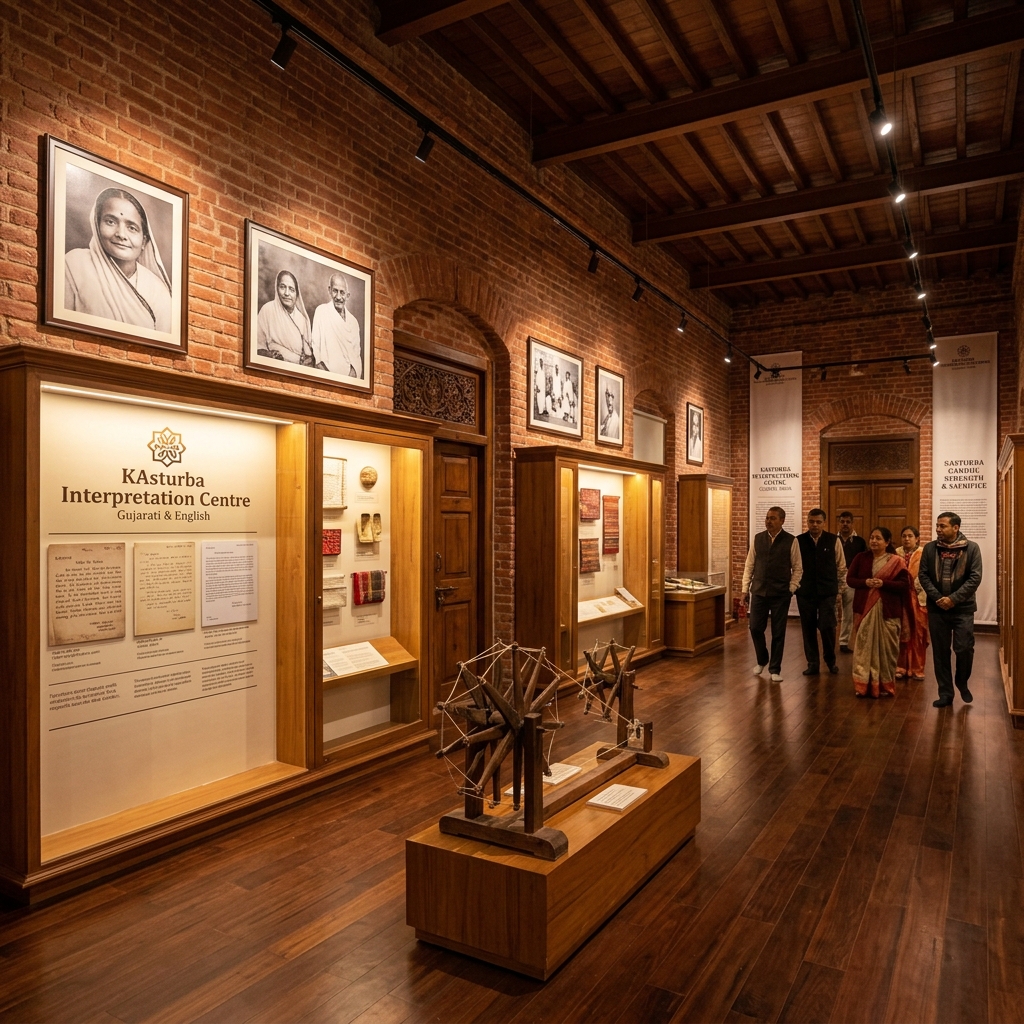
The KASTURBA GANDHI NATIONAL MEMORIAL TRUST was established in 1945 as a result of the national endeavour, led by Mahatma Gandhi, to address the issues of women in rural India. The unique history of the Kasturba Gandhi National Memorial Trust is set against the backdrop of the history of India’s freedom struggle.

Eminent people from all walks of life as well as the anonymous masses, mobilised their resources to set up this Trust with its headquarters in Kasturbagram (Indore) and 22 state branches all over the country. Smt. Sarojini Naidu, a stalwart of the freedom movement dedicated her time and full energy for the establishment of the Trust.

Mahatma Gandhi, Shri Vallabh Bhai Patel, Shri Thakkar Bapa, dada Saheb Mavlankar, Smt. Prem Leela Thakarasi, Smt. Laxmi N. Menon, Sushree Maniben Patel and Dr. Sushila Nayar have been the Chairpersons of this Trust. At the beginning of the new century, the role of Kasturba Trust is as powerful and relevant as it was at its inception.

The trust has remained true to it’s ideals for over 50 years of constructive work among women and children in rural India – in the fields of healthcare, education, literacy vocational training, relief work and employment generation. Mahatma Gandhi’s universal and timeless vision SARVODAYA finds its best practical expression in the Kasturba Trust as SARVODAYA is reawakening of the spirit in harmony with nature and environment for all forms of life. Reconstruction of the social order is also part of SARVODAYA.

Women and children are the backbone of our society. Constructive work among women and children is a primary and essential requirement for the process of nation building as envisaged in SARVODAYA. To continue with this Gandhian vision, Kasturba Gandhi National Memorial Trust needs the full support and involvement of the people.

The trust has remained true to it’s ideals for over 50 years of constructive work among women and children in rural India.

Education Initiatives

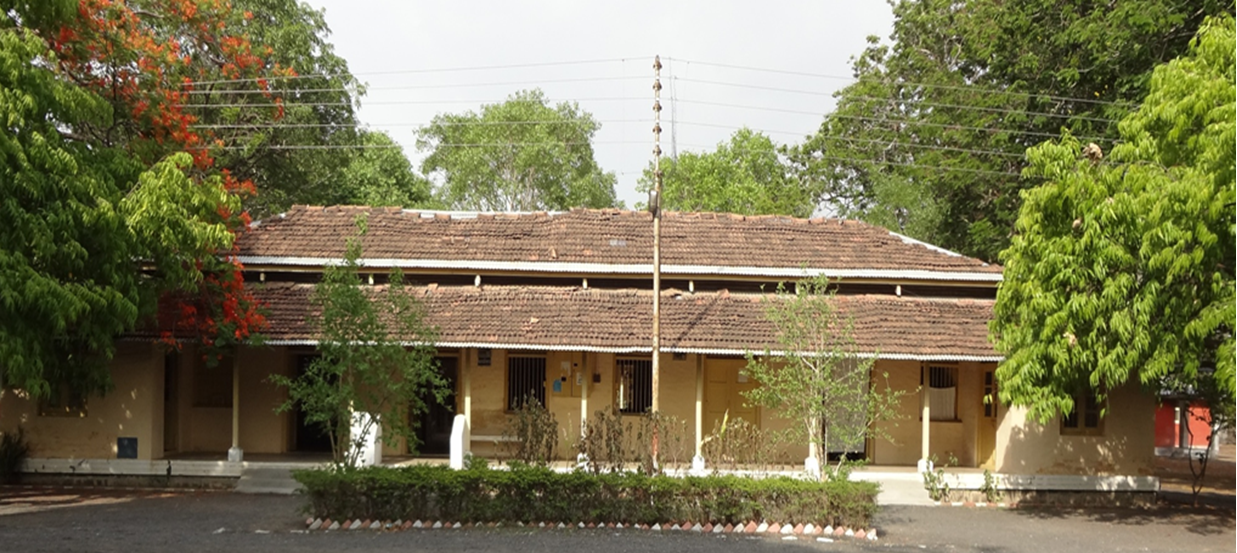
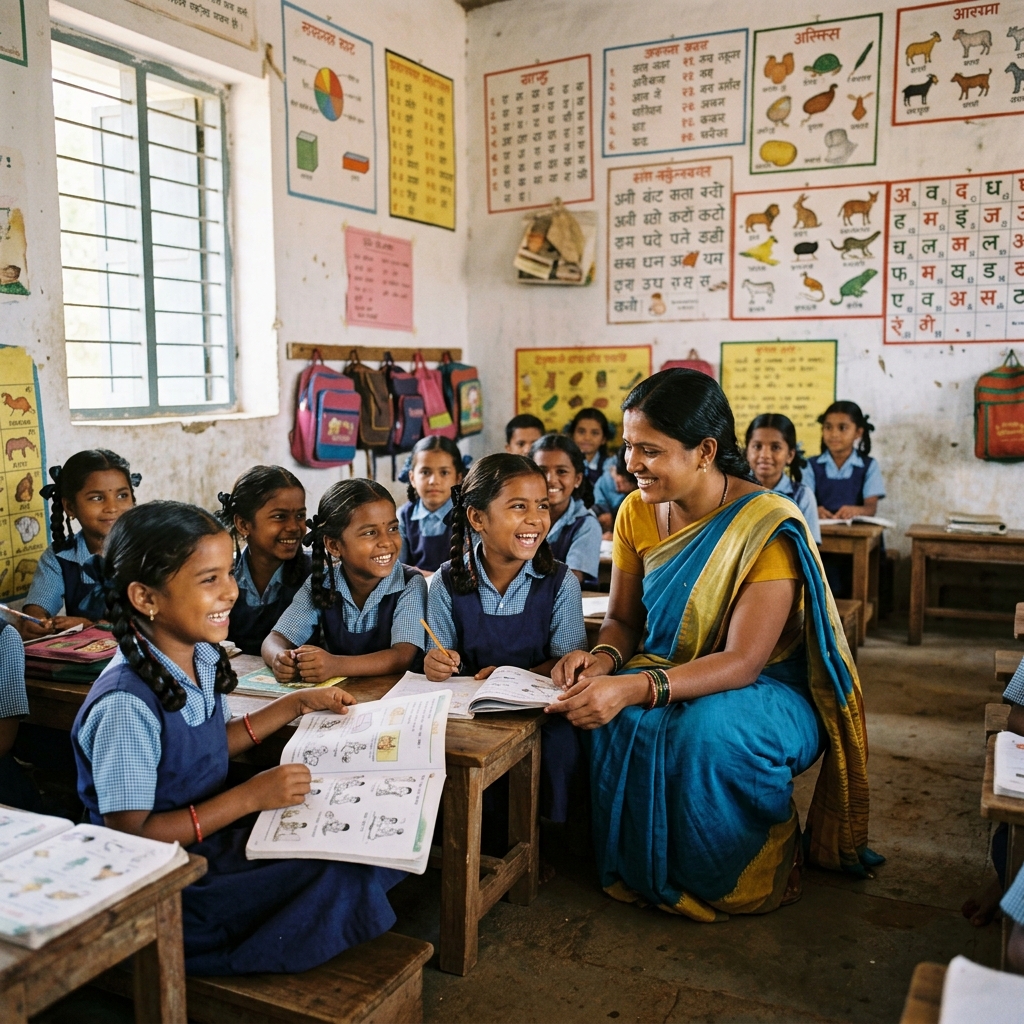
Facilities for education from Balwadi upto postgraduate level of university for rural and tribal girls are available at Kasturbagram. In the Primary classes (from first to fifth standard) children including boys and girls are admitted. Girls from 6 th standard up to the M.A. level have Hostel facilities.

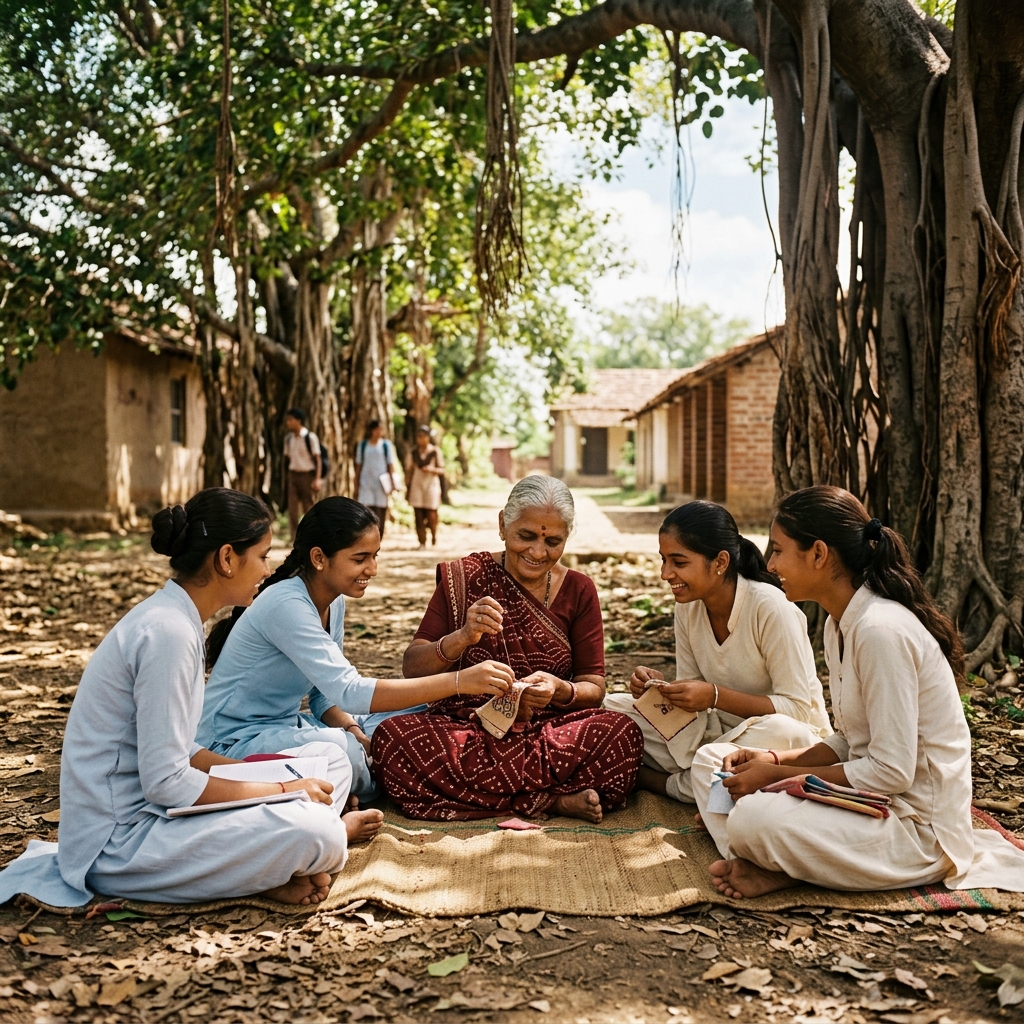
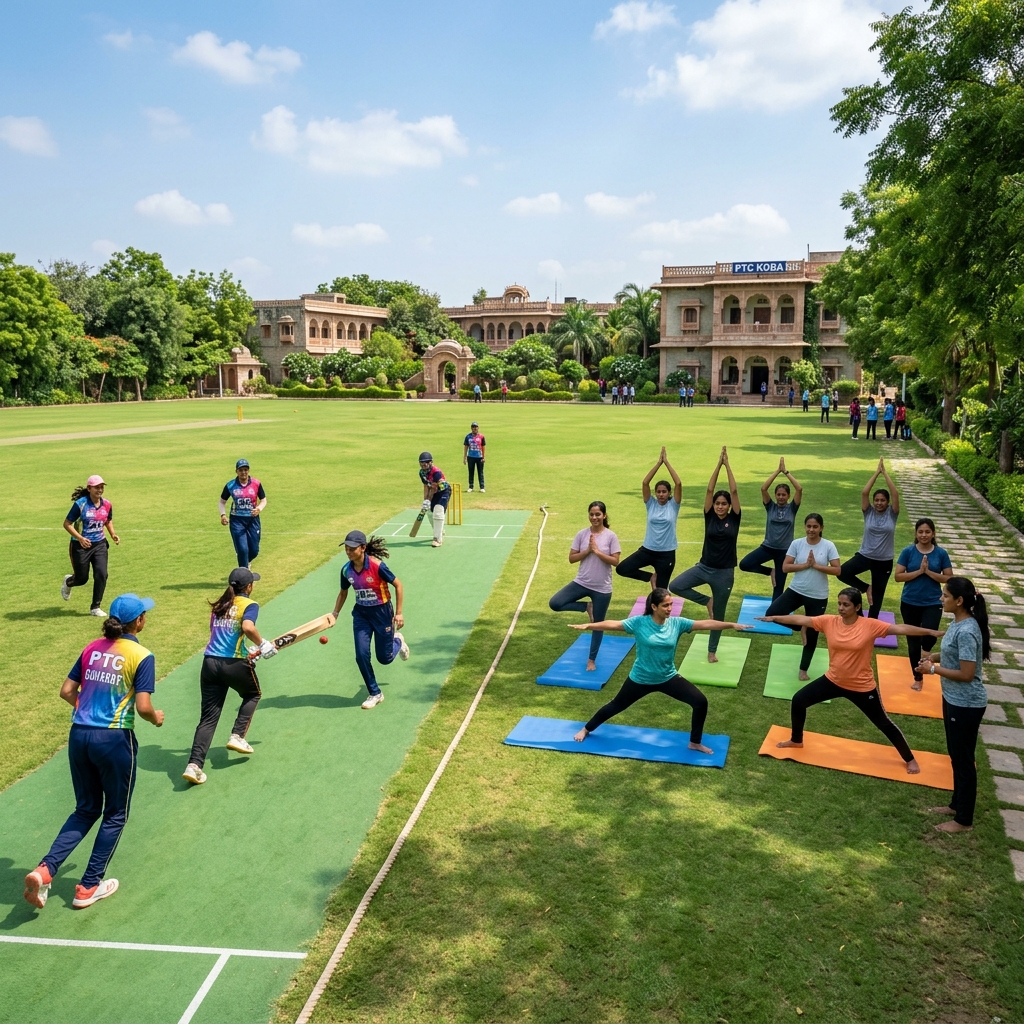
Middle School: A Basic school is run by the Trust at Kasturbagram where middle class education is given to nearby rural boys and girls. In this school, boys are admitted up to fifth standard only. This school is playing an important role in shaping of the children’s career and character. To prove this aspect, besides providing formal education, activities of computer training, spinning, personality development, vipsyana camp and Meditation, general knowledge competition, games and sports etc are also arrange for students.

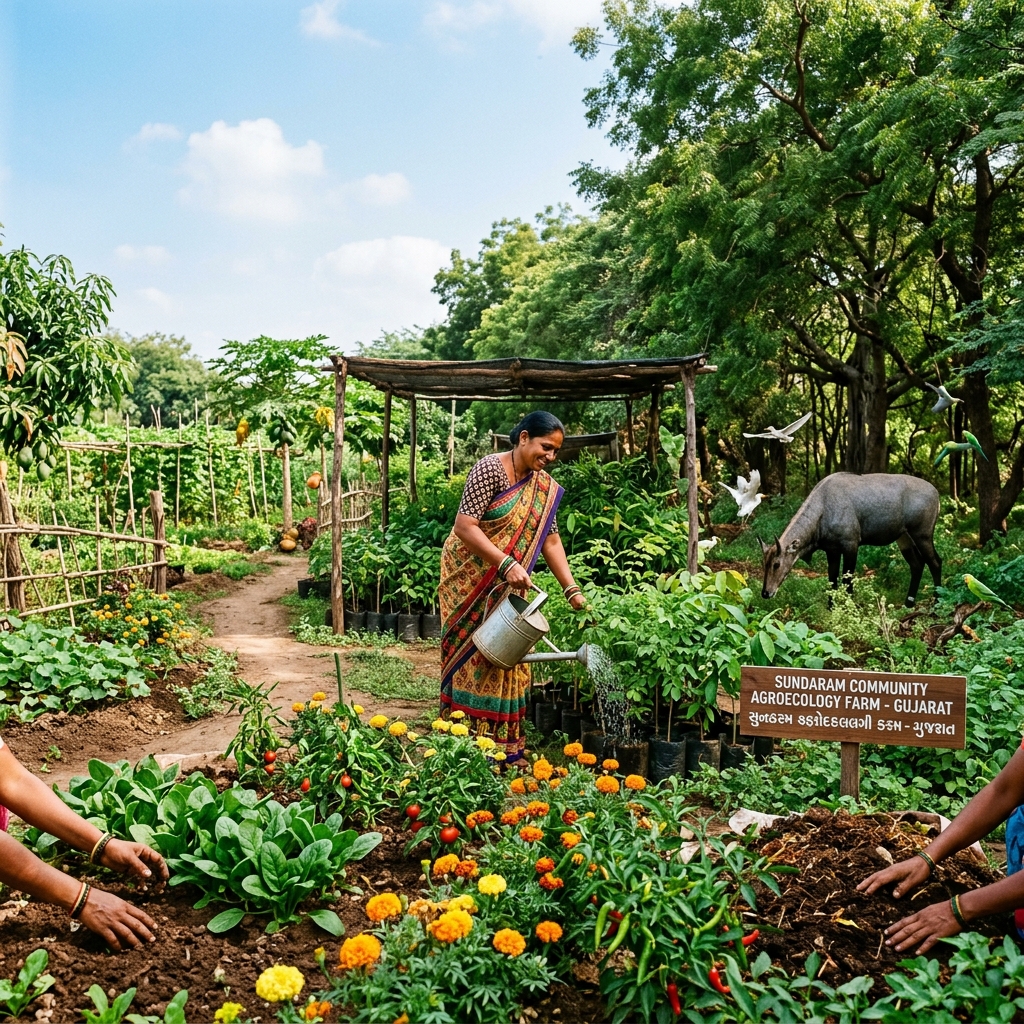
Kasturba Kanya Vidya Mandir (Girls’ Higher Secondary School): The Trust set up a higher secondary school for rural girls to inspire them to take up higher education. There was a great paucity of such schools for girls in villages; hence they were unable to continue their studies. To solve this problem this higher secondary school is being run. The major activities of this school, besides academic education, are computer training, training of spinning and weaving, tailoring, nutritional gardening and compost making etc. Apart from the above health check up camp for students, National Service Scheme camps and Gram Karya (village work) Camps are also organised for the students.

Kasturba Rural Institute (Girls College): Young girls from rural areas should get such higher education befitting to meet their basic rural needs. The Rural Institute was established in 1965 with the objectives of providing young women of rural areas with higher education befitting to the conditions and basic requirements of rural areas. It is the only institute of its kind in the country. Here graduation courses in Home Science, rural developments & extension etc. are offered. This Institute has been given a status of an Autonomous University.

90 percent students belong to Schedule Caste and Schedule Tribes who on completing their studies go back to their villages in far-flung areas to engage themselves in social upliftment and service to rural and tribal masses.

Over 90 percent students belong to Schedule Caste and Schedule Tribes.

Healthcare Services

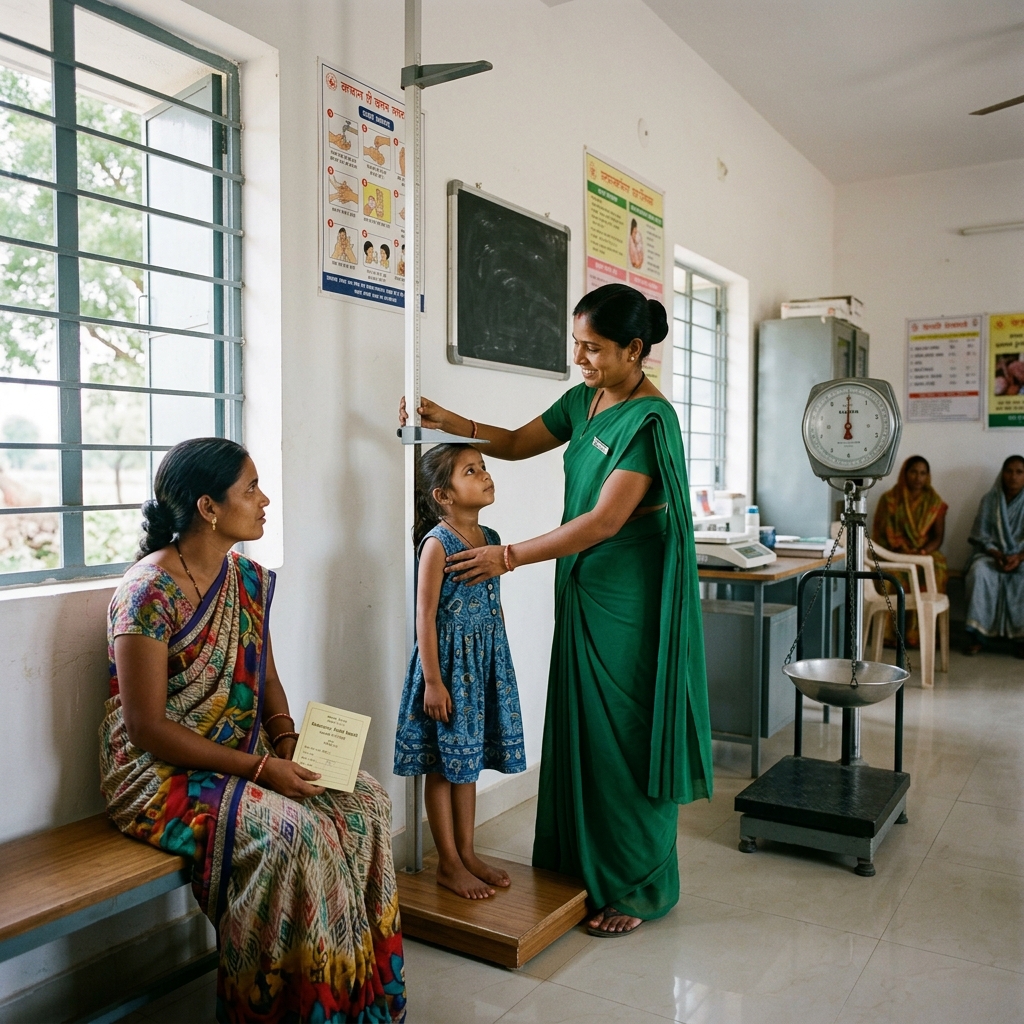
Kasturba Trust had the major activity of helping and serving rural mass, mainly in the field of health and welfare of rural women and children’s working in a variety of difficult terrains all over the country from dense forests of Assam to the snow clad Himalayan Himachal Pradesh. Working with scanty resources and in difficult circumstances, the Trust Sevikas have nevertheless made valuable contribution to the health of women and children of these areas.

It has been commonly experienced that in many places people prefer to go to the Trusts Centres and hospitals rather than that to local Government Hospitals. Sevikas of the Trust constantly endeavour to provide the best possible health services at lowest possible cost to reach to the last citizen of the country.

Sevikas of the Trust constantly endeavour to provide the best possible health services at lowest possible cost

Peace Restoration

Kasturba Trust had the major activity of helping and serving rural mass, mainly in the field of health and welfare of rural women and children’s working in a variety of difficult terrains all over the country from dense forests of Assam to the snow clad Himalayan Himachal Pradesh. Working with scanty resources and in difficult circumstances, the Trust Sevikas have nevertheless made valuable contribution to the health of women and children of these areas.

It has been commonly experienced that in many places people prefer to go to the Trusts Centres and hospitals rather than that to local Government Hospitals. Sevikas of the Trust constantly endeavour to provide the best possible health services at lowest possible cost to reach to the last citizen of the country.

Khadi Spinning

Kasturba Trust had the major activity of helping and serving rural mass, mainly in the field of health and welfare of rural women and children’s working in a variety of difficult terrains all over the country from dense forests of Assam to the snow clad Himalayan Himachal Pradesh. Working with scanty resources and in difficult circumstances, the Trust Sevikas have nevertheless made valuable contribution to the health of women and children of these areas.

It has been commonly experienced that in many places people prefer to go to the Trusts Centres and hospitals rather than that to local Government Hospitals. Sevikas of the Trust constantly endeavour to provide the best possible health services at lowest possible cost to reach to the last citizen of the country.